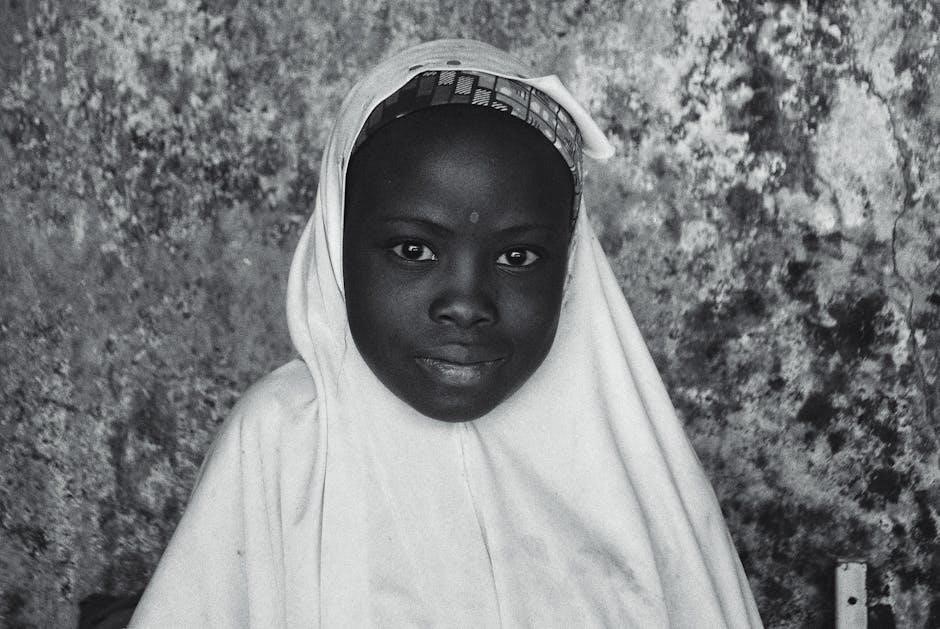
Rough-Face Girl PDF: Article Plan
This article comprehensively explores “The Rough-Face Girl,” focusing on PDF availability, online resources, and educational applications.
It details lesson plans, classroom activities, and critical analyses of this Algonquin Cinderella story.
“The Rough-Face Girl,” a captivating tale penned by Carolyn Sherwin Bailey, presents a unique rendition of the classic Cinderella story, deeply rooted in the traditions of the Algonquin people. Unlike the European versions focusing on outward beauty, this narrative emphasizes inner qualities – kindness, perseverance, and a connection to nature – as the true measures of worth. The story centers around a young woman, often overlooked due to facial scars, who ultimately wins the heart of a wealthy chief’s son not through physical appearance, but through her skillful weaving and gentle spirit.
Finding accessible versions of this culturally significant story is increasingly common online, with numerous resources offering the text in PDF format. These PDFs often accompany educational materials, lesson plans, and supplementary activities designed for classroom use. The availability of these resources allows educators and readers alike to delve into the rich symbolism and moral lessons embedded within Bailey’s retelling. Exploring “The Rough-Face Girl” provides a valuable opportunity to appreciate diverse cultural perspectives on timeless themes of love, acceptance, and self-worth.
The Algonquin Cinderella Story
“The Rough-Face Girl” stands as a compelling example of an Algonquin Cinderella story, diverging significantly from the well-known European iterations. While sharing the core motif of a mistreated protagonist achieving happiness, this version prioritizes inner beauty and skill over physical attractiveness. The protagonist’s “rough face” – marked by scars – isn’t a flaw to be overcome with magic, but a characteristic she possesses, and her worth is demonstrated through her weaving prowess and compassionate nature.
PDF versions of the story readily available online allow for easy access to this cultural treasure. These digital copies often serve as foundational texts for comparative analyses between different Cinderella traditions. Educators utilize these PDFs to highlight the Algonquin values of humility, resourcefulness, and respect for nature, contrasting them with the emphasis on appearance often found in Western adaptations. The story’s enduring appeal lies in its celebration of individuality and its powerful message that true beauty resides within, a theme consistently reinforced in accessible PDF formats.
Origins and Cultural Significance
“The Rough-Face Girl” originates from the Algonquin people, specifically drawing from oral traditions passed down through generations. Carolyn Sherwin Bailey meticulously recorded and adapted this tale, preserving a vital piece of Algonquin folklore. The story’s cultural significance stems from its representation of Algonquin values – emphasizing inner qualities like skill, kindness, and perseverance over superficial beauty. The protagonist’s scarred face isn’t a disability, but a mark of character, reflecting a different beauty standard.
PDF accessibility of the story is crucial for cultural preservation and education. Digital formats allow wider dissemination of Algonquin storytelling, reaching audiences beyond geographical limitations. These PDFs often include contextual information about the Algonquin people, their traditions, and the importance of oral narratives. Studying “The Rough-Face Girl” through readily available PDFs fosters appreciation for diverse cultural perspectives and challenges Eurocentric norms often dominant in children’s literature, promoting inclusivity and understanding.
Author Background: Carolyn Sherwin Bailey
Carolyn Sherwin Bailey (1875-1961) was a prominent American author and folklorist, renowned for her work collecting and retelling Native American stories. She dedicated her career to preserving oral traditions, particularly those of the Algonquin and Iroquois peoples. Bailey’s approach wasn’t simply transcription; she skillfully adapted the stories for a wider audience, maintaining their core cultural values while ensuring accessibility.
Her commitment to authenticity is evident in “The Rough-Face Girl,” where she meticulously documented the Algonquin narrative structure and symbolism. The availability of the story in PDF format allows researchers and educators to study Bailey’s adaptations and assess their fidelity to the original source material. Accessing these PDFs facilitates critical analysis of her authorial choices and their impact on the story’s reception. Bailey’s work remains significant for its contribution to children’s literature and its role in promoting cross-cultural understanding, making PDF access invaluable for continued study.
PDF Availability and Online Resources
Finding a reliable PDF of “The Rough-Face Girl” requires careful navigation, prioritizing legal and safe downloads. Several educational websites and digital libraries offer the story in PDF format, often as part of larger collections of folklore or children’s literature. Project Gutenberg and Internet Archive are potential sources, though availability fluctuates. Caution is advised when encountering free PDF downloads from unfamiliar websites, as these may contain malware or violate copyright laws.
Beyond PDFs, numerous online resources enhance understanding of the story. Websites dedicated to Algonquin culture provide valuable context, while lesson plan repositories (like those mentioned in search results from October 15, 2013) offer educational materials. Searching for “The Rough-Face Girl lesson plan PDF” yields relevant results. Always verify the source’s credibility before utilizing any online resource, ensuring accuracy and respect for cultural sensitivity. Exploring these resources alongside the PDF enriches the reading experience;
“The Rough-Face Girl” is an Algonquin version of the Cinderella tale, centering on a shy and scarred girl overlooked by her beautiful sisters. Unlike traditional Cinderella, she isn’t mistreated, but rather ignored due to her appearance. When a wealthy and handsome man seeks a wife, the sisters prepare, hoping to catch his eye. The Rough-Face Girl’s grandmother encourages her to seek help from Nokomis, a powerful spiritual figure.
Nokomis transforms the girl’s appearance, granting her beauty that surpasses her sisters’. She attends the festivities and captivates the man, but reveals her true appearance before leaving. He seeks her out, recognizing her inner beauty and kindness despite her scars. The story culminates in their marriage, emphasizing that true beauty lies within. It’s a tale of self-acceptance, inner strength, and the power of spiritual guidance, differing significantly from the European Cinderella archetype.
Key Characters in “The Rough-Face Girl”
The central figure is the Rough-Face Girl herself, a young woman initially defined by her facial scars and perceived lack of beauty. She embodies quiet strength and inner goodness, ultimately proving that true worth isn’t based on appearance. Her sisters represent conventional beauty standards and societal expectations, focused on attracting a husband through outward charm.
Nokomis, the grandmother, serves as a crucial mentor and spiritual guide, recognizing the girl’s potential and facilitating her transformation. She embodies wisdom and connection to the natural world. The wealthy man seeking a wife isn’t portrayed as a prince, but as a discerning individual who values inner qualities. He represents the possibility of seeing beyond superficial appearances. Finally, the story subtly features the importance of familial support, even in the face of societal pressures, highlighting the grandmother’s unwavering belief in the Rough-Face Girl.

Themes Explored in the Narrative
“The Rough-Face Girl” profoundly explores the theme of inner beauty versus outward appearance, challenging conventional notions of attractiveness. The narrative champions the idea that true worth resides in kindness, humility, and a connection to one’s heritage, rather than physical perfection.
Another prominent theme is the power of perseverance and self-belief. Despite facing ridicule and being overlooked, the Rough-Face Girl maintains her dignity and ultimately achieves her desires through inner strength. The story also emphasizes the importance of respecting and valuing Indigenous traditions and spirituality, showcasing the wisdom passed down through generations.
Furthermore, the narrative subtly addresses societal expectations placed upon women, contrasting the sisters’ pursuit of marriage with the Rough-Face Girl’s quiet confidence. It suggests that fulfillment comes from embracing one’s authentic self, rather than conforming to external pressures. Ultimately, the tale celebrates the triumph of spirit over adversity.
Comparison to Traditional Cinderella Tales
“The Rough-Face Girl” shares core elements with traditional Cinderella stories – a mistreated protagonist, envious siblings, and a transformative event leading to happiness – yet diverges significantly in its cultural context and emphasis. Unlike European versions focused on a prince’s selection, this Algonquin tale centers on a warrior’s choice, valuing skill and inner qualities over mere beauty.

The magical assistance differs; instead of a fairy godmother, the Rough-Face Girl receives help from her grandmother, embodying ancestral wisdom and spiritual connection. The story deemphasizes romantic love, prioritizing the protagonist’s ability to provide for her community.
Notably, the tale lacks the overt class distinctions common in European Cinderella narratives. The focus shifts from social mobility to demonstrating inherent worth. While both versions highlight overcoming adversity, “The Rough-Face Girl” uniquely celebrates Indigenous resilience and the power of cultural identity, offering a refreshing perspective on a timeless archetype.
Visual Elements in Different Editions
The visual presentation of “The Rough-Face Girl” varies considerably across different editions, significantly impacting the reader’s experience. Early editions often featured illustrations attempting to depict Algonquin aesthetics, though sometimes through a Western lens. Later publications showcase artwork more deeply rooted in Indigenous artistic traditions.
Illustrations range from delicate watercolors to bold, graphic designs, each interpretation influencing the story’s mood and emphasis. Some editions prioritize portraying the protagonist’s inner strength and resilience, while others focus on the natural beauty of the Algonquin landscape.
PDF versions available online often reproduce these varying visual styles, sometimes with diminished quality depending on the source. Examining these differences reveals how illustrators have approached representing Indigenous culture and storytelling. The choice of color palette, character design, and depiction of traditional clothing all contribute to the overall narrative impact, making each edition a unique artistic interpretation.
Illustrations and Artistic Style
The illustrations within “The Rough-Face Girl” are pivotal in conveying the story’s cultural context and emotional depth. Carolyn Sherwin Bailey’s narrative benefits immensely from visual interpretations that honor Algonquin traditions. Early editions often employed a style reminiscent of classic fairy tale artwork, but more recent versions demonstrate a shift towards authentically representing Indigenous art forms.
The artistic style frequently incorporates natural motifs, reflecting the story’s strong connection to the environment. Earth tones, depictions of woodland creatures, and symbolic representations of nature are common. Illustrators often utilize patterns and designs inspired by traditional Algonquin beadwork and quillwork, adding layers of cultural significance.
PDF versions of the book showcase these diverse artistic approaches, though image quality can vary. Analyzing the illustrations reveals a conscious effort to move beyond stereotypical depictions and embrace a more respectful and nuanced portrayal of Indigenous aesthetics. The artistic style ultimately enhances the story’s message of inner beauty and resilience.
Educational Applications: Lesson Plans
“The Rough-Face Girl” offers rich opportunities for educational exploration across various grade levels. Lesson plans frequently center around comparing and contrasting different cultural versions of the Cinderella story, fostering critical thinking and intercultural understanding. PDF resources often include pre-reading activities focusing on Algonquin culture and traditions, preparing students for a respectful engagement with the narrative.
Common lesson objectives involve analyzing character development, identifying key themes like kindness and perseverance, and exploring the symbolism embedded within the story. Activities may include creative writing prompts, art projects inspired by the illustrations, and discussions about the importance of inner beauty.
Many downloadable lesson plans available online encourage students to examine the story’s structure and narrative techniques. Teachers can utilize these resources to promote literacy skills, cultural awareness, and a deeper appreciation for Indigenous storytelling traditions. The PDF format allows for easy distribution and adaptation to diverse classroom needs.
Activities for Classroom Use
Numerous engaging activities complement the study of “The Rough-Face Girl,” particularly utilizing readily available PDF resources. Students can participate in comparative storytelling, charting similarities and differences between the Algonquin tale and traditional European Cinderella versions. This fosters critical analysis and cultural sensitivity.
Creative expression is encouraged through art projects, such as recreating scenes from the story or designing masks inspired by the characters. Dramatic interpretations, including reader’s theater or short skits, allow students to embody the narrative and explore character motivations.
Writing prompts focusing on themes of kindness, perseverance, and inner beauty promote reflective thinking. PDF worksheets often include vocabulary exercises and comprehension questions to reinforce understanding. Furthermore, research projects exploring Algonquin traditions and beliefs can deepen students’ appreciation for the story’s cultural context, enhancing the learning experience.
Analyzing Story Structure and Symbolism
“The Rough-Face Girl” presents a compelling narrative structure, mirroring the classic Cinderella archetype yet distinctly shaped by Algonquin storytelling traditions. Analyzing the plot reveals a journey of self-discovery and the triumph of inner qualities over superficial appearances. PDF versions of the story facilitate close reading and annotation, aiding in structural deconstruction.
Symbolism is richly woven throughout the tale. The rough face itself represents humility and inner beauty, contrasting with the vanity often emphasized in other Cinderella variants. The invisible sisters symbolize a lack of spiritual awareness, while the woodchuck and other animal helpers embody the power of nature and ancestral guidance.
Exploring these symbols deepens understanding of the story’s underlying messages. Examining the recurring motifs – such as the importance of listening and respecting elders – reveals core Algonquin values. PDF study guides often provide prompts for analyzing these elements, fostering critical thinking and interpretive skills.
The Role of Nature and Spirituality
“The Rough-Face Girl” deeply embeds nature and spirituality within its narrative fabric, reflecting core tenets of Algonquin belief systems. The natural world isn’t merely a backdrop; it’s an active participant, offering guidance and assistance to the protagonist. Animals, like the woodchuck, act as spiritual helpers, demonstrating a reverence for all living beings.
Spirituality permeates the story through ancestral connections and the importance of listening to the wisdom of elders. The protagonist’s grandmother embodies this spiritual authority, imparting knowledge and facilitating her granddaughter’s journey. PDF versions of the tale allow for focused study of these spiritual elements.
The story emphasizes a harmonious relationship between humans and the environment, a central theme in many Indigenous cultures. Analyzing the symbolism of natural elements – forests, rivers, and animals – reveals a profound respect for the interconnectedness of all life. Accessing the story in PDF format supports detailed textual analysis of these themes.
Critical Reception and Reviews
“The Rough-Face Girl” has garnered significant praise for its authentic representation of Algonquin culture and its departure from traditional Western fairy tale tropes. Critics commend Carolyn Sherwin Bailey’s sensitive retelling and the story’s empowering message of inner beauty and resilience. Many reviews highlight the importance of diversifying children’s literature with Indigenous narratives.
The book is frequently lauded for its lyrical prose and the evocative illustrations that complement the story’s themes; Educational reviews often recommend it as a valuable resource for teaching cultural awareness and challenging stereotypical representations. PDF versions facilitate easy access for educators and researchers.

Some critiques focus on the potential for misinterpretation or the need for contextualization when presenting Indigenous stories to non-Indigenous audiences. However, the overall reception remains overwhelmingly positive, recognizing its contribution to children’s literature and its celebration of Algonquin heritage. Finding reliable PDF sources ensures access to the complete and unaltered text.
Adaptations and Retellings

While “The Rough-Face Girl” remains a cornerstone of Algonquin storytelling, its influence extends to various adaptations and retellings aimed at different age groups. These versions often maintain the core message of inner beauty and perseverance, while employing diverse artistic styles and narrative approaches.
Educational resources frequently include simplified retellings suitable for younger children, alongside lesson plans that encourage comparative analysis with traditional Cinderella tales. Digital adaptations, including interactive PDFs, offer engaging learning experiences; Some adaptations incorporate multimedia elements, such as audio recordings of the story in Algonquin language.
The story’s themes have inspired contemporary works exploring similar concepts of self-acceptance and cultural identity. Though direct adaptations are less common, the spirit of “The Rough-Face Girl” resonates in modern Indigenous literature. Accessing PDF versions of the original text allows for faithful comparison with these inspired works, preserving the integrity of Bailey’s retelling.
Finding Free PDF Downloads (Legality & Safety)
Locating free PDF downloads of “The Rough-Face Girl” requires careful consideration of legality and online safety. While numerous websites offer PDFs, many may infringe copyright or harbor malware. Prioritize reputable sources like university libraries, educational institutions, or Project Gutenberg, which often provide legally accessible digital texts.

Be cautious of websites promising free downloads without clear copyright information. Downloading from unofficial sources risks violating copyright laws and exposing your device to viruses or unwanted software. Always scan downloaded files with updated antivirus software before opening them.

Legitimate avenues include searching for PDFs offered by Carolyn Sherwin Bailey’s estate or publishers with explicit permission. Consider purchasing the ebook from authorized retailers to support the author and illustrator. Remember, respecting copyright ensures continued access to valuable cultural resources like “The Rough-Face Girl.”
Discussion of Moral Lessons
“The Rough-Face Girl” imparts several profound moral lessons, subtly woven into its narrative. The story champions inner beauty and kindness over superficial appearances, contrasting with traditional Cinderella tales focused on physical transformation. It emphasizes the importance of humility and genuine character, as the Rough-Face Girl’s selfless nature ultimately wins the Invisible Being’s favor.
The narrative also highlights the value of perseverance and quiet strength. Despite facing ridicule and being overlooked, the Rough-Face Girl remains steadfast in her goodness. This underscores the idea that true worth isn’t defined by societal expectations but by one’s actions and integrity.
Furthermore, the story subtly promotes respect for nature and ancestral traditions, reflecting Algonquin cultural values. It suggests that genuine connection and harmony with the world around us are essential for fulfillment. Discussing these lessons encourages children to look beyond the surface and appreciate the qualities that truly matter.
Impact on Children’s Literature

Carolyn Sherwin Bailey’s “The Rough-Face Girl” significantly broadened the scope of children’s literature by introducing an authentic Indigenous perspective to a well-known fairytale archetype. Prior to its publication, Cinderella narratives predominantly featured European settings and tropes. This Algonquin retelling offered a refreshing alternative, showcasing a different cultural worldview and challenging conventional beauty standards.

The story’s success paved the way for greater representation of Native American folklore and storytelling in children’s books; It encouraged publishers and authors to seek out and share diverse narratives, fostering a more inclusive literary landscape. “The Rough-Face Girl” demonstrated the power of culturally specific stories to resonate with a broad audience.
Its enduring popularity continues to inspire educators and librarians to incorporate Indigenous literature into their collections and curricula. The book serves as a valuable tool for promoting cultural understanding and appreciation, fostering empathy and respect among young readers. It remains a cornerstone of multicultural children’s literature.
Further Reading and Related Works
For a deeper understanding of Cinderella variations, explore “Cinderella: A Casebook” edited by Alan Dundes, offering a comprehensive collection of global Cinderella tales. “The Complete Fairy Tales” by the Brothers Grimm provides classic European versions, contrasting with the Algonquin narrative. Investigate other Indigenous folktales through resources like the Native American Rights Fund (NARF) website and collections from the Smithsonian Institution.
To learn more about Algonquin culture, consider works by Algonquin authors and historians. Research the oral storytelling traditions of the Algonquin people, which heavily influenced Bailey’s adaptation. Explore books detailing the history and beliefs of the Algonquin Nation to gain a richer context for the story.
Related works focusing on female empowerment and overcoming adversity include “Mulan” and other folktales featuring strong female protagonists. Examining these narratives alongside “The Rough-Face Girl” highlights universal themes of resilience and inner beauty.