
Pontoon Boat Loading Guides: A Comprehensive Plan
Navigating pontoon boat loading requires careful planning‚ diligent execution‚ and a thorough understanding of safety protocols for a smooth‚ enjoyable experience.
Pontoon boat loading‚ while seemingly straightforward‚ presents unique challenges compared to traditional V-hull vessels. Their broad beam and flat surfaces demand a specific approach to ensure safe and efficient transport. This guide aims to demystify the process‚ providing a comprehensive overview for both novice and experienced boaters.
Successfully loading a pontoon boat requires understanding its weight distribution‚ the capabilities of your tow vehicle‚ and the nuances of boat ramp etiquette. Ignoring these factors can lead to frustrating delays‚ potential damage to your boat or trailer‚ and‚ most importantly‚ safety hazards.
We will cover everything from pre-loading safety checks and trailer maintenance to step-by-step loading procedures and troubleshooting common issues. This resource is designed to empower you with the knowledge and confidence to handle any loading situation with ease and security‚ maximizing your time on the water.
Safety First: Pre-Loading Checklist
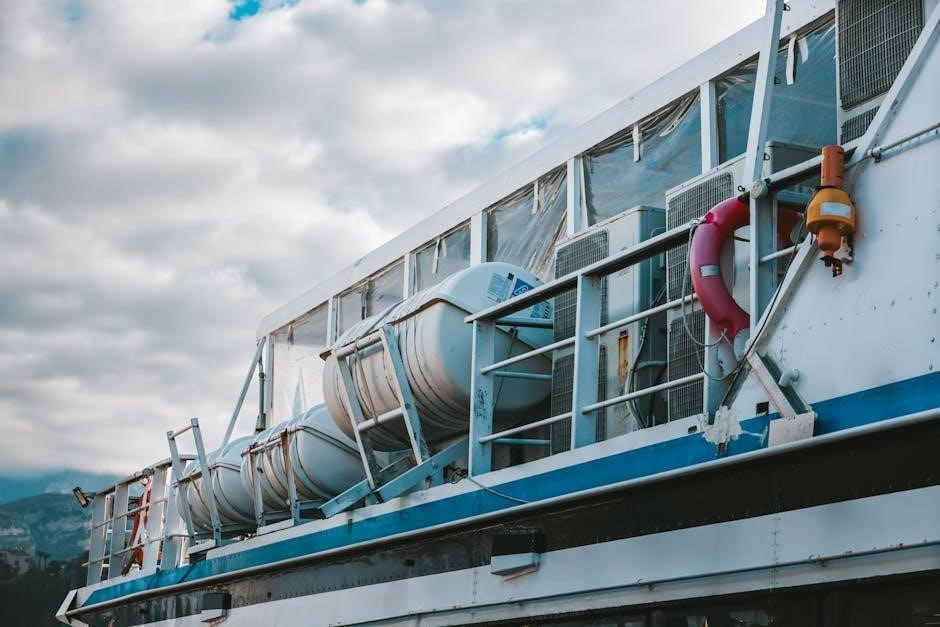
Before even approaching the boat ramp‚ a thorough safety checklist is paramount. Begin by ensuring all passengers are wearing properly fitted life jackets – it’s the law and a crucial safety measure. Confirm you have a functioning fire extinguisher onboard and that all necessary safety equipment is readily accessible.
Remove any loose items from the deck that could become projectiles during transit. Disconnect shore power cables and freshwater hoses. Double-check that the boat’s drain plug is securely in place to prevent water accumulation. Inspect the boat for any visible damage that might worsen during towing.
Finally‚ inform someone of your boating plans‚ including your expected return time and location. A quick call or text can be invaluable in case of an emergency. Prioritizing these pre-loading checks significantly reduces risks and sets the stage for a safe and enjoyable boating experience.
Boat Condition Assessment
A meticulous boat condition assessment is vital before attempting to load. Begin with a visual inspection of the pontoon tubes – look for any signs of leaks‚ damage‚ or corrosion. Check the deck for structural integrity‚ paying close attention to seams and flooring. Ensure all railings are secure and free from loose or broken components.
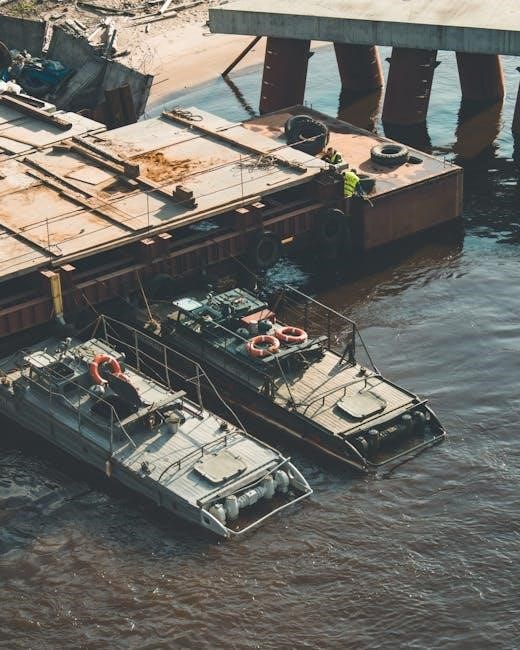
Examine the steering system for smooth operation and responsiveness. Verify that the engine starts easily and runs without unusual noises or vibrations. Inspect the bilge pump to confirm it’s functioning correctly. Don’t overlook the boat’s lights; ensure they are all working properly for visibility.
Addressing any identified issues before loading prevents them from escalating into larger problems during transport. A proactive assessment demonstrates responsible boat ownership and contributes to a safer loading process.
Trailer Inspection
A comprehensive trailer inspection is paramount for safe pontoon boat transport. Begin by examining the tires – check for proper inflation‚ tread depth‚ and any signs of sidewall damage. Inspect the wheel bearings for play or unusual noises‚ indicating potential failure. Thoroughly assess the trailer frame for rust‚ cracks‚ or bends‚ especially around weld points.
Verify the functionality of all trailer lights – brake lights‚ turn signals‚ and running lights – ensuring they are bright and clear. Check the winch system‚ including the strap‚ hook‚ and gearing‚ for smooth operation and wear. Inspect the safety chains and ensure they are properly attached and of sufficient length.
Finally‚ confirm the trailer’s registration and any required permits are current. A well-maintained trailer is crucial for a secure and trouble-free loading experience.
Vehicle Capacity & Towing Equipment
Determining your vehicle’s towing capacity is a critical first step. Consult your owner’s manual or the manufacturer’s website for the Gross Vehicle Weight Rating (GVWR) and Gross Combined Weight Rating (GCWR). Never exceed these limits! Ensure your vehicle is appropriately equipped with a tow hitch rated for the weight of your fully loaded pontoon boat and trailer.

A weight distribution hitch is highly recommended‚ especially for larger pontoons‚ to improve stability and handling. Verify your vehicle’s brakes are capable of handling the combined weight; electric trailer brakes are often necessary. Check the ball mount size and ensure it matches the trailer coupler.
Finally‚ confirm your vehicle’s tires are inflated to the recommended pressure for towing‚ and that you have a functioning trailer wiring harness for lights and brakes.
Understanding Your Pontoon Boat’s Weight Distribution
Pontoon boats distribute weight differently than traditional V-hull boats. The majority of the weight is concentrated in the center section‚ including the engine‚ fuel tank‚ batteries‚ and seating. Understanding this is crucial for proper trailer loading and vehicle handling.
Uneven weight distribution can lead to trailer sway and instability; Aim for approximately 10-15% of the total trailer weight to be on the tongue. Too little tongue weight can cause trailer sway‚ while too much can overload the hitch. Consider the placement of gear within the boat; heavier items should be centered and lower to maintain balance.
Always refer to your boat’s manufacturer specifications for recommended weight limits and distribution guidelines. Proper weight distribution ensures a safer and more controlled towing experience.
Choosing the Right Loading Technique
Selecting the appropriate loading technique depends heavily on ramp conditions‚ water depth‚ wind‚ and current; The standard ramp loading approach is suitable for most situations‚ offering control and predictability. However‚ shallow water launching becomes necessary when ramps are inaccessible or submerged.
Consider your experience level; beginners should prioritize the standard ramp method until proficient. Assess the ramp’s slope and surface – a steeper‚ slicker ramp demands a more cautious approach. Strong winds necessitate extra vigilance and potentially a slower loading speed. Always prioritize safety and choose a technique you’re comfortable executing.
Evaluate the current; a strong current can make boat control challenging. Adapt your strategy based on these factors‚ ensuring a secure and efficient loading process.
Ramp Loading – The Standard Approach
The standard ramp loading technique is the most commonly used and generally safest method for retrieving your pontoon boat. It involves backing the trailer down the ramp until the trailer is submerged to the appropriate depth – typically just past the trailer’s crossmember. This allows the boat to float freely onto the trailer bed.
This method provides maximum control‚ especially in moderate conditions. It relies on the winch system to pull the boat forward and center it on the trailer. Careful and controlled backing is crucial‚ as is precise boat positioning. This technique is ideal for beginners and offers a reliable solution for most ramp scenarios.
Remember to maintain a slow and steady pace‚ and always be aware of your surroundings.
Shallow Water Launching (For Specific Situations)
Shallow water launching is a technique reserved for situations where ramp access is limited‚ or the water depth at the ramp is insufficient for standard loading. This often involves carefully driving the boat onto the trailer while it’s still partially afloat in shallow water‚ requiring precise maneuvering and potentially more physical effort.
It’s crucial to assess the lake or riverbed for obstructions before attempting this method. This technique demands a higher level of skill and awareness‚ as control can be reduced in shallow conditions. It’s generally not recommended for larger or heavier pontoons‚ or for inexperienced operators.
Always prioritize safety and consider alternative launch locations if possible. This method is a contingency‚ not a preferred practice.
Step-by-Step Ramp Loading Guide
Before initiating the loading process‚ ensure all passengers are onboard and seated low in the boat for stability. Disconnect dock lines and fenders‚ and have a designated spotter positioned to guide you. Slowly approach the trailer‚ aiming for a gentle‚ controlled contact.
Once aligned‚ use short bursts of forward and reverse to guide the boat onto the trailer. Avoid excessive speed‚ which can cause damage. Engage the winch system gradually‚ ensuring the boat centers correctly. Continuously monitor the boat’s position and make adjustments as needed.
Once fully loaded‚ double-check the winch strap tightness and prepare for securing the boat for transport. Remember‚ patience and precision are key to a successful loading experience.
Backing the Trailer Down the Ramp
Successfully backing a trailer down a boat ramp demands slow‚ deliberate movements and constant awareness. Begin by aligning your vehicle straight with the ramp‚ then initiate a gentle backward trajectory. Use your mirrors and spotter extensively‚ making small corrections as needed to maintain a straight line.
Submerge the trailer to the appropriate depth – typically just past the rear crossmember – but avoid submerging the vehicle’s exhaust pipe. Once positioned‚ set the parking brake firmly and consider using wheel chocks for added security. Remember‚ controlling your speed is paramount to prevent jackknifing or losing control.
Practice beforehand in an empty parking lot to build confidence and refine your technique.
Positioning the Boat for Loading
Once the trailer is correctly positioned in the water‚ carefully maneuver your pontoon boat towards it. Approach the trailer slowly and directly into the wind or current‚ if present‚ to maintain control. Aim to align the boat’s centerline with the trailer’s centerline‚ ensuring even distribution of weight during loading.
Use short bursts of forward and reverse throttle to make precise adjustments. A spotter on the dock can provide invaluable guidance‚ communicating distance and alignment. Ideally‚ the boat’s bow should be positioned slightly beyond the winch post‚ allowing for a smooth pull onto the trailer.

Avoid excessive speed or abrupt maneuvers‚ as this can lead to collisions or difficulty centering the boat.
Using the Winch System Effectively
The winch system is crucial for safely drawing your pontoon boat onto the trailer. Before starting‚ ensure the winch strap is securely attached to the boat’s bow eye and that the winch handle is firmly seated. Begin winching slowly and steadily‚ applying consistent pressure.

Avoid jerking or rapidly cranking the winch‚ as this can shock the system and potentially damage the strap or bow eye. As the boat moves onto the trailer‚ monitor its alignment and make minor steering adjustments as needed. A spotter can help guide the process‚ ensuring the boat tracks straight.
If resistance is encountered‚ stop winching and reassess the situation – the boat may not be properly aligned or an obstruction could be present.
Slow and Steady: Driving the Boat onto the Trailer
Once positioned correctly‚ gently drive the pontoon boat forward onto the trailer. Maintain a very slow speed – idle or just above – to allow for precise control and prevent sudden impacts. Steer deliberately‚ keeping the boat aligned with the trailer’s centerline.
A spotter outside the boat is invaluable during this phase‚ providing clear guidance on alignment and distance. Communicate effectively to ensure a smooth ascent. Avoid excessive throttle; the winch should be doing the majority of the work‚ not the boat’s engine.

As the boat approaches the bow stop‚ reduce power further and allow the winch to pull it the remaining distance. Remember‚ patience is key – a controlled‚ gradual approach is far safer than a rushed one.
Dealing with Common Loading Challenges
Pontoon boat loading isn’t always seamless; expect potential hurdles. Slippery ramps‚ often covered in algae‚ demand reduced speed and potentially assistance from a spotter to maintain traction. Strong winds can push the boat off course‚ requiring corrective steering and increased winch tension.
If the boat isn’t centering on the trailer‚ briefly stop‚ reassess alignment‚ and gently adjust steering before continuing. A boat that’s significantly off-center can damage the trailer or boat. Don’t force it! Current can also complicate matters‚ so aim to load during slack tide if possible.
Be prepared to troubleshoot; having extra rope‚ a boat hook‚ and a reliable spotter can resolve many issues quickly and safely.
Slippery Ramps & Traction Issues
Slippery ramps are a frequent challenge‚ often coated with algae or moss‚ significantly reducing tire grip. Approach slowly and cautiously‚ avoiding sudden acceleration or braking. Consider wearing non-slip shoes for better footing while guiding the trailer.
If your tow vehicle struggles for traction‚ try engaging four-wheel drive or utilizing a limited-slip differential. Lowering tire pressure slightly (within manufacturer’s recommendations) can increase the contact patch and improve grip. A spotter can assist by providing visual guidance and potentially applying traction aids.
Carry traction mats or wooden boards to place under the trailer tires if necessary. Remember‚ safety is paramount; if traction remains insufficient‚ don’t risk it – seek assistance or postpone loading until conditions improve.
Wind & Current Considerations
Wind and current dramatically impact pontoon boat loading‚ demanding heightened awareness and adjusted techniques. Strong winds can push the boat sideways‚ making precise positioning difficult. Headwinds aid loading‚ while crosswinds require steering corrections.
Currents‚ especially in rivers or tidal areas‚ add another layer of complexity. Loading against the current is easier‚ providing natural braking‚ but requires more throttle control; Loading with the current demands careful braking and potentially a spotter to prevent runaway situations.
Always assess wind and current direction before starting. Use short bursts of throttle and steering to maintain control. Be prepared to adjust your approach and consider postponing loading if conditions become unsafe. Prioritize safety above all else.

Boat Not Centering on the Trailer
A common frustration is a pontoon boat failing to center correctly on the trailer during loading. This often stems from uneven weight distribution‚ a misaligned winch‚ or improper steering. Gently apply throttle and steering to nudge the boat towards the center‚ avoiding abrupt movements.
If the boat consistently drifts to one side‚ check the trailer bunks for levelness and adjust if necessary. Ensure the winch post is perfectly aligned with the boat’s centerline. A spotter can provide valuable guidance‚ signaling steering corrections.
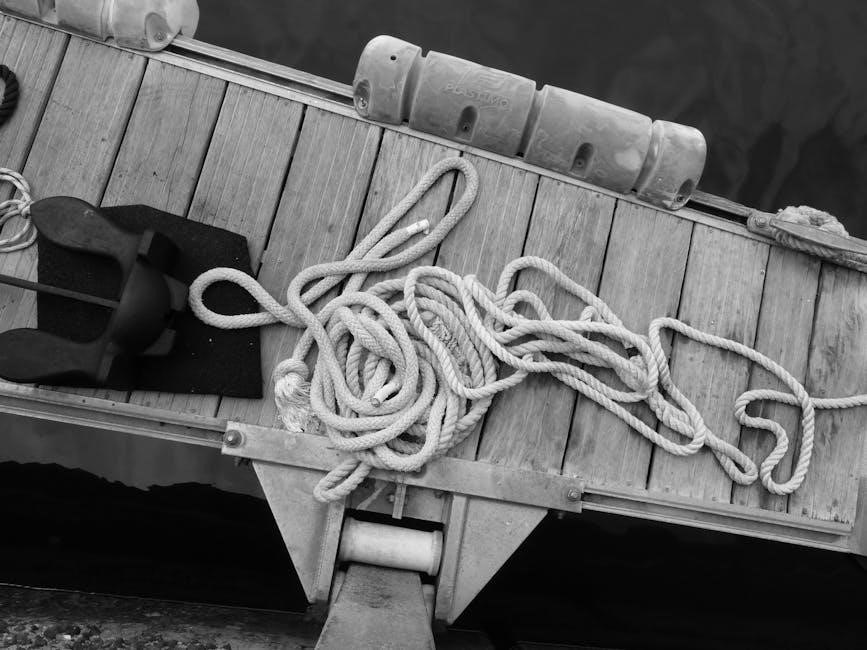
Small adjustments are key; overcorrecting can worsen the issue. If significant centering problems persist‚ stop‚ reassess‚ and potentially back the boat off the trailer to start anew. Patience and precision are crucial for successful loading.
Securing the Pontoon Boat to the Trailer
Once the boat is fully on the trailer‚ proper securing is paramount for safe transport. Begin by verifying the winch strap is tightly wound and the hook is securely fastened to the bow eye. Inspect the strap for any signs of wear or fraying – replace if necessary.
Next‚ connect the safety chains‚ ensuring they cross beneath the trailer tongue and have minimal slack. Avoid excessive tension‚ allowing for some movement during travel. Utilize bow tie-downs‚ attaching them from the boat’s bow to designated points on the trailer frame.
These tie-downs prevent forward movement and stabilize the boat. Double-check all connections before each trip‚ and consider adding transom straps for extra security‚ especially on longer journeys. A well-secured boat minimizes risks during towing.
Winch Strap Tightness & Condition
The winch strap is your primary means of holding the boat securely to the trailer‚ so its condition and tightness are critical. After winching the boat onto the trailer‚ ensure the strap is pulled taut‚ eliminating any slack. A loose strap allows for boat movement during transit‚ potentially leading to accidents.
Regularly inspect the strap for fraying‚ cuts‚ or abrasions. Sunlight and repeated use can weaken the material. Replace the strap immediately if any damage is detected – a broken strap can result in a complete loss of control.
Also‚ check the winch mechanism itself. Ensure it operates smoothly and the ratchet locks firmly. Lubricate moving parts periodically to prevent corrosion and maintain functionality. A reliable winch system is essential for safe and efficient boat loading and transport.
Safety Chains – Proper Connection & Slack
Safety chains are a crucial backup in case the trailer coupler fails; proper connection is paramount. Always cross the chains beneath the trailer tongue‚ forming an ‘X’ shape. This prevents the trailer from swinging wildly if a disconnection occurs. Securely attach the chains to the tow vehicle’s designated connection points – never to the bumper.
Allow for sufficient slack in the chains – enough to permit turning‚ but not so much that they drag on the ground. Excessive slack negates their purpose‚ while too little restricts maneuverability. A few inches of play are ideal.
Regularly inspect the chains for wear‚ rust‚ and damage. Replace any compromised links immediately. Remember‚ safety chains are a last line of defense‚ and their integrity directly impacts your safety and the safety of others on the road.
Bow Tie-Downs: Ensuring Stability
Bow tie-downs are essential for securing the front of your pontoon boat to the trailer‚ preventing unwanted movement during transport. Utilize straps specifically designed for boat tie-downs‚ ensuring they possess sufficient strength and UV resistance. Connect the straps to sturdy points on the boat’s bow and corresponding anchor points on the trailer frame.
Tighten the tie-downs gradually and evenly‚ avoiding over-tightening which could damage the boat’s structure. Check that the straps lie flat and don’t rub against any sharp edges. Consider using chafe guards to protect the straps from abrasion.
Before each trip‚ thoroughly inspect the tie-downs for fraying‚ tears‚ or weakened buckles. Replace any damaged straps immediately. Properly secured bow tie-downs significantly enhance stability and contribute to a safer towing experience.
Post-Loading Checks: Before Hitting the Road
Before embarking on your journey‚ a comprehensive post-loading check is paramount for safety and legal compliance. Begin with a complete visual inspection of the entire setup – boat‚ trailer‚ and vehicle. Verify all lights on the trailer and boat are functioning correctly: brake lights‚ turn signals‚ and running lights are crucial.
Next‚ confirm proper tire pressure on both the trailer tires and the towing vehicle. Inspect lug nuts to ensure they are securely tightened. Double-check the winch strap’s tightness and the safety chains’ connection‚ ensuring appropriate slack for turning.
Finally‚ perform a slow‚ controlled pull-forward and braking test in the parking lot to confirm everything operates as expected. This proactive approach minimizes risks and ensures a worry-free transport.
Lights Functionality (Trailer & Boat)
Ensuring proper lighting is non-negotiable for safe towing. Begin by verifying all trailer lights – brake lights‚ turn signals‚ and running lights – are operational. A faulty light can lead to miscommunication with other drivers‚ increasing accident risk. Have a helper check while you activate each function.
Don’t forget the navigation lights on the pontoon boat itself! These are essential‚ especially during dusk or dawn. Confirm they illuminate brightly and are free from obstructions. Inspect wiring for any damage or corrosion.
Carry spare bulbs and a basic wiring repair kit. A quick fix can prevent a significant delay and ensure continued visibility. Regularly inspect connections for tightness and cleanliness.
Tire Pressure & Lug Nut Tightness
Maintaining correct tire pressure is crucial for a safe journey. Underinflated tires can cause excessive heat buildup‚ leading to blowouts‚ while overinflated tires reduce traction. Consult the tire sidewall for the recommended PSI and use a reliable gauge to check before each trip.
Equally important is verifying the tightness of your lug nuts. Loose lug nuts can cause wheel separation‚ a catastrophic event. Use a torque wrench to tighten them to the manufacturer’s specified torque setting – don’t rely on guesswork!
Check lug nuts again after the first 50-100 miles of travel‚ as they can sometimes loosen slightly after initial use. Regular inspection prevents potential disasters.
Final Visual Inspection
Before embarking on your journey‚ conduct a comprehensive visual inspection. Begin with the boat itself – ensure all gear is stowed securely and nothing is shifting. Check the bow tie-downs‚ verifying they are snug and properly positioned.
Next‚ scrutinize the trailer. Confirm the winch strap is securely fastened and not frayed. Inspect the safety chains for proper connection and adequate slack. Verify that all lights are functioning correctly – brake lights‚ turn signals‚ and running lights are essential for visibility.
Finally‚ walk around the entire trailer‚ looking for anything out of the ordinary. A quick‚ thorough check can prevent minor issues from becoming major problems on the road‚ ensuring a safe and enjoyable trip.
Advanced Loading Techniques for Larger Pontoons
Loading significantly larger pontoons demands enhanced techniques and potentially specialized equipment. Consider utilizing a power winch for increased pulling force‚ especially on steeper ramps or with heavier boats. Employing guide poles can be invaluable for maintaining boat alignment during the loading process.
For exceptionally long pontoons‚ a spotter becomes crucial‚ providing clear communication and assisting with maneuvering. Carefully assess ramp conditions; larger boats require more ramp surface and a gentler slope. Double-check trailer capacity and ensure your tow vehicle is adequately equipped.
Practice slow‚ deliberate movements and prioritize controlled loading. Remember‚ patience and precision are paramount when dealing with substantial vessels.
Maintenance Tips for Your Boat Ramp & Trailer
Regular trailer maintenance is crucial for safe and efficient pontoon boat loading. Inspect wheel bearings‚ ensuring they are properly greased and free from wear. Check tire pressure and tread depth before each trip‚ and promptly address any damage. Lubricate the winch mechanism and thoroughly inspect the winch strap for fraying or weakness.
Regarding the ramp itself‚ report any damage – potholes‚ crumbling surfaces – to the relevant authorities. Rinse the trailer thoroughly after each use‚ especially if exposed to saltwater‚ to prevent corrosion. Periodically inspect and tighten all bolts and fasteners on the trailer frame.
Proper upkeep extends the life of your equipment and contributes to a safer boating experience for everyone.
Legal Considerations & Ramp Etiquette
Understanding local boating regulations is paramount; familiarize yourself with ramp usage rules‚ registration requirements‚ and any specific ordinances regarding trailer parking. Many ramps require permits or display stickers. Be mindful of time limits to ensure fair access for all boaters.
Ramp etiquette dictates prioritizing those attempting to launch over those retrieving. Communicate clearly with others‚ using hand signals if necessary. Avoid blocking the ramp while preparing your boat or trailer. Stage your vehicle and boat efficiently to minimize congestion.

Dispose of trash properly and never leave debris behind. Respect the environment and fellow boaters‚ fostering a positive and safe boating community for everyone involved.
Resources for Further Learning
For comprehensive boating safety courses‚ explore the offerings of the U.S. Coast Guard Auxiliary and the National Safe Boating Council – their websites provide invaluable resources and certifications. Numerous online forums‚ such as those on BoatUS and pontoon-specific communities‚ offer practical advice and shared experiences from fellow boaters.
Manufacturer websites often feature detailed guides and videos tailored to their pontoon boat models‚ covering loading and trailering specifics. YouTube channels dedicated to boating and watersports frequently demonstrate proper loading techniques.
State boating agencies provide downloadable handbooks and regulations. Consider investing in a good boating atlas detailing ramp locations and water depths. Staying informed ensures a safer and more enjoyable boating experience.